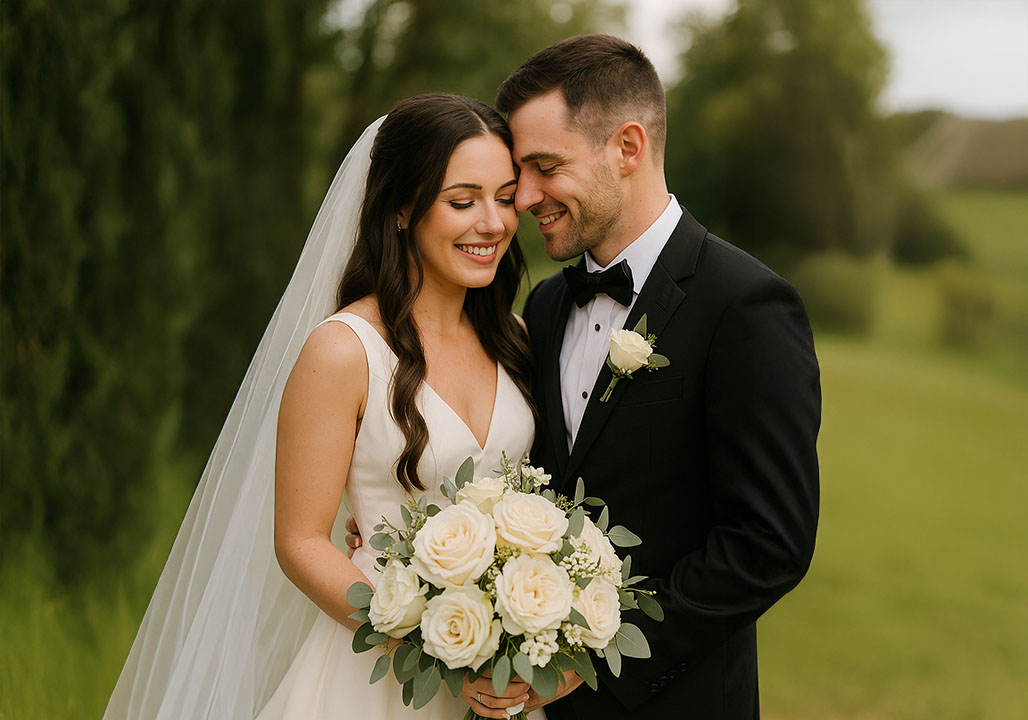
Wedding pictures are more than just photographs; they are timeless keepsakes that preserve one of the most meaningful days in a couple’s life. Unlike any other type of photography, wedding photography carries an emotional depth, a documentary quality, and an artistic dimension all at once. Each image captures a fragment of love, celebration, and connection, weaving together a visual story that can be cherished for decades. Whether displayed in a frame, tucked into a photo album, or shared across social media platforms, wedding pictures become part of the couple’s legacy and family history.
The Emotional Value of Wedding Pictures
At the heart of wedding photography lies emotion. Every couple remembers how they felt walking down the aisle, exchanging vows, or dancing together for the first time as husband and wife, but feelings fade with time. Wedding pictures keep those emotions alive. A candid smile, a tear slipping down a parent’s cheek, or the laughter of friends captured mid-moment can bring the memories flooding back instantly. These photographs become powerful reminders that allow couples to relive their joy over and over again.
For future generations, these images serve as a bridge. Children and grandchildren can look back and see not only the event itself but also the love and personalities of their parents or grandparents. In this way, wedding pictures transform into treasured heirlooms.
Styles of Wedding Photography
Wedding photography has evolved significantly over the decades. Today, couples can choose from a variety of styles depending on their personal taste, the tone of their wedding, and the message they want to convey.
Traditional Photography focuses on posed images with the couple, family, and bridal party. These formal portraits are timeless and often cherished by parents and older relatives.
Photojournalistic or Documentary Style captures the day as it unfolds naturally. Instead of staging moments, the photographer documents candid emotions, small details, and authentic interactions.
Fine Art Wedding Photography leans heavily on creativity, composition, and visual storytelling. It often involves dramatic lighting, artistic angles, and carefully curated details.
Editorial Style mimics the polished look of magazine spreads, emphasizing elegance, fashion, and glamorous presentation.
Many modern photographers blend these approaches, ensuring that couples have a mix of formal, candid, and artistic images in their final collection.
The Role of the Wedding Photographer
Hiring a skilled wedding photographer is one of the most important decisions a couple can make. Unlike other vendors, photographers are responsible for creating the permanent record of the event. Flowers wilt, music fades, and food is eaten, but the images remain.
A great photographer does more than operate a camera. They know how to anticipate moments, adapt to changing lighting, and work with people in high-stress situations. They must be both invisible and present—quietly observing during intimate vows, yet assertive enough to organize large group shots efficiently. The best photographers also build rapport with couples so that they feel comfortable and natural in front of the camera.
Planning for Memorable Wedding Pictures
Successful wedding pictures are rarely an accident. Couples and photographers often collaborate in advance to ensure the right shots are taken.
Engagement Sessions: Many photographers recommend an engagement shoot before the wedding. This helps the couple get comfortable being photographed and builds trust with the photographer.
Shot Lists: Couples may create a list of “must-have” shots, such as exchanging rings, first kiss, or portraits with grandparents. While spontaneity is essential, a list ensures that no key moment is overlooked.
Timing and Lighting: The best light often comes during “golden hour,” the period shortly after sunrise or before sunset. Couples who schedule outdoor portraits during this time are rewarded with soft, flattering light and a romantic glow.
Details Matter: From rings and bouquets to table settings and invitations, detail shots add richness to the story. They also highlight the effort couples put into creating their wedding aesthetic.
Candid vs. Posed Moments
One of the most beautiful aspects of wedding pictures is the balance between candid and posed shots. Posed portraits ensure everyone is included, while candid moments capture authentic emotion. The nervous laughter before the ceremony, the tearful hug between siblings, or the spontaneous cheers during the reception often become the most beloved images.
A skilled photographer knows when to fade into the background and when to step in for direction. For instance, group shots require structure, but during the first dance, letting the couple move naturally allows for genuine storytelling.
The Evolution of Wedding Albums
Traditionally, wedding photos were displayed in thick albums with protective tissue pages. Today, technology has expanded the possibilities. Couples can choose from sleek, leather-bound albums, coffee-table style books, or fully digital galleries hosted online. High-resolution digital files allow couples to print canvases, create slideshows, and share images instantly with loved ones across the globe.
Yet despite these modern conveniences, many couples still value physical prints. Holding a wedding album in hand feels different than scrolling through pictures on a screen. Tangible photographs carry weight, presence, and permanence.
Trends in Wedding Photography
Wedding photography, like fashion, follows trends. Recent years have seen a surge in certain approaches:
- Drone Photography: Aerial shots of venues and landscapes add cinematic grandeur.
- Black and White Photography: Timeless and emotional, these images strip away distractions to highlight expressions.
- Documentary Film Style: Blending video clips and still images creates a moving narrative.
- First Look Sessions: Many couples choose to see each other privately before the ceremony, allowing intimate pictures without the pressure of an audience.
- Adventure Elopements: Couples who marry in remote or scenic destinations often emphasize dramatic landscapes in their pictures.
While trends evolve, the essence remains the same: capturing love in a way that feels authentic to the couple.
The Lasting Impact of Wedding Pictures
Wedding pictures hold unique power. They remind couples of the vows they exchanged, the community that surrounded them, and the beauty of their union. On difficult days, they can serve as encouragement, grounding partners in the memory of why they chose each other. On anniversaries, they become a way to look back and celebrate the journey.
For families, these images mark a milestone. Parents see the culmination of years of love and support, while children may one day marvel at how young their parents looked. Even long after the couple has passed, their wedding pictures may sit framed on a mantel or tucked in an album, connecting generations across time.
Wedding pictures are not simply images—they are pieces of history, emotion, and artistry woven together. They preserve fleeting expressions, heartfelt promises, and joyful celebrations in a way that nothing else can. For the couple, they are a reminder of their love story’s beginning. For their family, they are part of a shared heritage. And for generations to come, they will remain a testament to love, captured in timeless form.
In the end, wedding pictures are far more than photographs. They are living memories, frozen in time, carrying the spirit of a day when two lives became one.