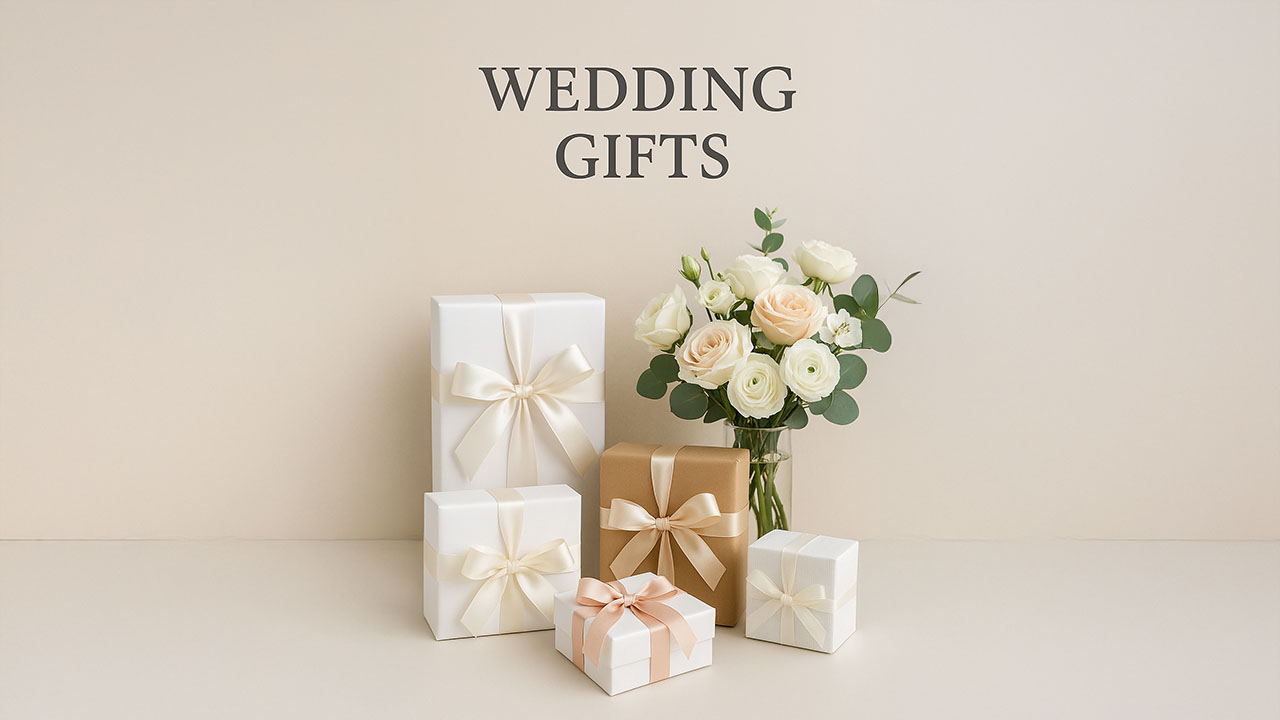
Wedding Gifts: A Comprehensive Guide
Weddings are timeless celebrations of love, unity, and new beginnings. Beyond the ceremony and the festivities, the tradition of giving and receiving gifts plays a central role. Wedding gifts are not merely items exchanged; they are tokens of thoughtfulness, symbols of support, and reminders of shared joy. This article explores the world of wedding gifts in depth—covering history, etiquette, modern trends, cultural perspectives, and practical ideas for both givers and couples.
The History of Wedding Gifts
The practice of giving wedding gifts dates back thousands of years. In ancient cultures, gifts were less about personal choice and more about survival and security for the couple. For example:
- Ancient Rome and Greece: Families contributed household items such as furniture, cooking tools, or livestock to help the newlyweds establish a home.
- Medieval Europe: Dowries and trousseaus served as gifts that provided financial stability and social security.
- Victorian Era: The industrial revolution allowed for more decorative and symbolic gifts—fine china, silverware, and ornate clocks became fashionable.
As society modernized, wedding gifts shifted from necessity to sentiment, reflecting not only practicality but also the emotional connection between the giver and the couple.
The Purpose of Wedding Gifts
At their core, wedding gifts serve three main purposes:
- Practical Support
Starting a household often requires significant resources. Gifts of cookware, linens, or furniture help couples set up their shared lives. - Symbolic Gesture
Gifts express love, encouragement, and well-wishes. They remind the couple of the community that supports their journey. - Cultural or Ritual Significance
In many traditions, gifts carry symbolic meaning—gold for prosperity, textiles for warmth, or heirlooms for continuity.
Wedding Gift Etiquette
Etiquette around wedding gifts varies by culture and situation, but a few universal guidelines apply.
For Guests
- Check the Registry: Most modern couples create registries to help guests choose meaningful and useful items.
- Respect Budgets: Choose gifts within your means. Thoughtfulness matters more than price.
- Send Gifts Early: Ideally, gifts should be delivered before or soon after the wedding.
- Include a Card: A heartfelt message adds warmth to any gift.
For Couples
- Create a Registry Early: This helps guests plan ahead.
- Offer a Range of Price Points: Ensure affordable as well as premium options.
- Express Gratitude: Send handwritten thank-you notes to every gift-giver.
- Be Sensitive to Culture: If you request money, frame it politely and with context.
Traditional Wedding Gifts
Traditional gifts remain popular because of their timeless appeal and practicality. Some of the most enduring categories include:
- Kitchenware: Cookware, knife sets, mixers, and coffee makers.
- Linens: Sheets, comforters, towels, and tablecloths.
- Decorative Items: Picture frames, vases, art pieces.
- Fine China and Silverware: Especially for formal entertaining.
- Furniture: Dining tables, chairs, or bookshelves.
These gifts represent stability and help couples build a home environment together.
Modern Wedding Gifts
Contemporary couples often prefer experiences and personalized items over traditional household staples. Popular modern gifts include:
- Experiences: Honeymoon contributions, spa vouchers, wine tastings, or cooking classes.
- Technology: Smart speakers, coffee machines, air fryers, or robotic vacuums.
- Subscriptions: Streaming platforms, meal kit deliveries, or monthly wine clubs.
- Cash Funds: Increasingly common, particularly through digital platforms.
- Artisanal Goods: Handmade pottery, custom artwork, or ethically sourced home décor.
Modern gifts often emphasize individuality and lifestyle rather than convention.
Personalized and Handmade Gifts
A rising trend in wedding gifting is personalization. Couples cherish items that reflect their story:
- Custom Engraving: Champagne glasses, photo frames, or jewelry with initials and wedding dates.
- Handmade Gifts: Quilts, knitted blankets, or crafted furniture.
- Memory Books: A scrapbook filled with well-wishes, photos, and anecdotes from friends and family.
- Personalized Décor: Wall art featuring the couple’s vows, coordinates of their first meeting, or family name signs.
These gifts carry an intimate touch, ensuring they are treasured for years.
Cultural Perspectives on Wedding Gifts
Wedding gift traditions vary dramatically around the world, often tied to cultural beliefs and rituals.
- China: Red envelopes filled with money (hongbao) symbolize prosperity and luck.
- India: Gold jewelry, symbolic of wealth and continuity, is a common gift.
- Japan: Guests typically give money in decorative envelopes called “goshugi.”
- Italy: Guests may offer “busta,” cash in an envelope, or household goods.
- Middle East: Lavish gifts of jewelry, textiles, and money highlight generosity.
- Western Traditions: Registries, household goods, or group contributions are most common.
Understanding cultural norms is essential for respectful gifting, especially at multicultural weddings.
Gifts for Destination Weddings
Destination weddings bring unique challenges. Guests often balance the expense of travel with gift-giving. Some best practices include:
- Group Gifts: Pooling funds for a large item from the registry.
- Cash Contributions: Especially helpful if the couple is combining travel with their honeymoon.
- Experiences at the Destination: A paid excursion, romantic dinner, or couple’s massage.
- Practical Travel Gear: High-quality luggage, travel vouchers, or packing accessories.
Couples often indicate that their presence is the greatest gift when guests must invest heavily in travel.
Group and Collective Gifts
Pooling resources for larger gifts is becoming increasingly popular. Friends, colleagues, or extended family members can jointly purchase high-value items such as:
- A new sofa or dining set
- High-end kitchen appliances
- Honeymoon packages
- A contribution toward a down payment
Group gifting ensures affordability while giving couples access to life-changing items or experiences.
Alternative and Non-Material Wedding Gifts
Not every gift must be tangible. Some of the most memorable presents are intangible:
- Volunteer Services: Offering photography, music, or event planning skills.
- Donations: Contributing to the couple’s chosen charity.
- Acts of Support: Babysitting, pet-sitting, or helping with post-wedding errands.
- Letters of Advice: A collection of wisdom and blessings from friends and family.
These gifts demonstrate care and often carry deeper meaning than material items.
The Rise of Cash Gifts
While once taboo in some Western cultures, cash gifts are now widely accepted. Couples often prefer monetary contributions to help pay for:
- Wedding costs
- Honeymoon expenses
- A house down payment
- Student loans
- Starting a family
Modern registry platforms allow couples to set up digital “cash funds” for specific goals, making the request more personal and purposeful.
Wedding Gift Trends in 2025
Current trends reveal how social values and technology are reshaping gifting:
- Sustainable Gifts
Eco-friendly options like bamboo kitchenware, reusable home products, or donations to environmental causes. - Experience-Driven Gifts
Couples prioritize memories over possessions—travel funds, event tickets, or workshops are in high demand. - Luxury Minimalism
Instead of many small items, couples prefer fewer high-quality pieces that last. - Tech Integration
Smart home devices and wellness gadgets are increasingly popular. - Hybrid Registries
Combining traditional items, cash funds, and experiences on a single platform for convenience.
Common Mistakes to Avoid
Both guests and couples sometimes fall into gifting pitfalls:
- For Guests
- Ignoring the registry and choosing impractical items.
- Giving overly personal gifts without knowing the couple well.
- Delaying the gift for months after the wedding.
- For Couples
- Asking directly for large sums of money without tact.
- Forgetting to write thank-you notes.
- Creating registries with only expensive options.
Awareness of these mistakes ensures smoother exchanges and happier relationships.
The Emotional Value of Wedding Gifts
At their best, wedding gifts are more than objects. They become:
- Heirlooms: A quilt, clock, or piece of jewelry passed down through generations.
- Memories: Travel experiences or handmade items that capture the spirit of the day.
- Connections: Reminders of the loved ones who supported the couple’s journey.
Couples often look back on their gifts as milestones of love and support during one of life’s most important transitions.
How to Choose the Perfect Wedding Gift
When selecting a gift, ask yourself three guiding questions:
- Does it suit the couple’s lifestyle?
Consider hobbies, careers, and daily routines. - Will it last?
Durable, timeless gifts often hold the most value. - Does it carry meaning?
Symbolic or personalized items create emotional resonance.
The best gifts strike a balance between practicality and sentiment.
The Couple’s Perspective
Receiving gifts can be overwhelming. Couples often juggle the following:
- Managing multiple registries
- Unboxing and storing items
- Writing thank-you notes
- Deciding what to keep or exchange
Organization helps. Couples should keep detailed records of who gave what, and prioritize timely acknowledgment. Gratitude transforms the act of receiving into a shared expression of joy.
Wedding Gifts in the Digital Age
Technology has transformed how couples and guests approach gifting:
- Online Registries: Easily accessible, customizable, and integrated with retailers.
- Cash App Integrations: Platforms like PayPal, Venmo, or Zelle simplify digital transfers.
- QR Codes: Couples include registry links on invitations for convenience.
- Social Media: Guests share group gifting initiatives or experiences through private channels.
These tools make wedding gift logistics smoother and more transparent.
Wedding gifts remain one of the most enduring traditions associated with marriage. From ancient practices to modern digital funds, the essence remains the same: gifts symbolize love, support, and community. Whether practical household items, experiences, or personalized keepsakes, wedding gifts create lasting memories for couples embarking on a new chapter of life together.
For guests, the best approach is to choose thoughtfully—balancing tradition, modern trends, and the couple’s personality. For couples, graciousness and gratitude ensure the cycle of generosity continues.
Ultimately, the true value of wedding gifts lies not in their material worth, but in the bonds they strengthen, the memories they create, and the love they celebrate.